 Pro Haul Dumpster Rental
Dumpster Sizes in Chicago
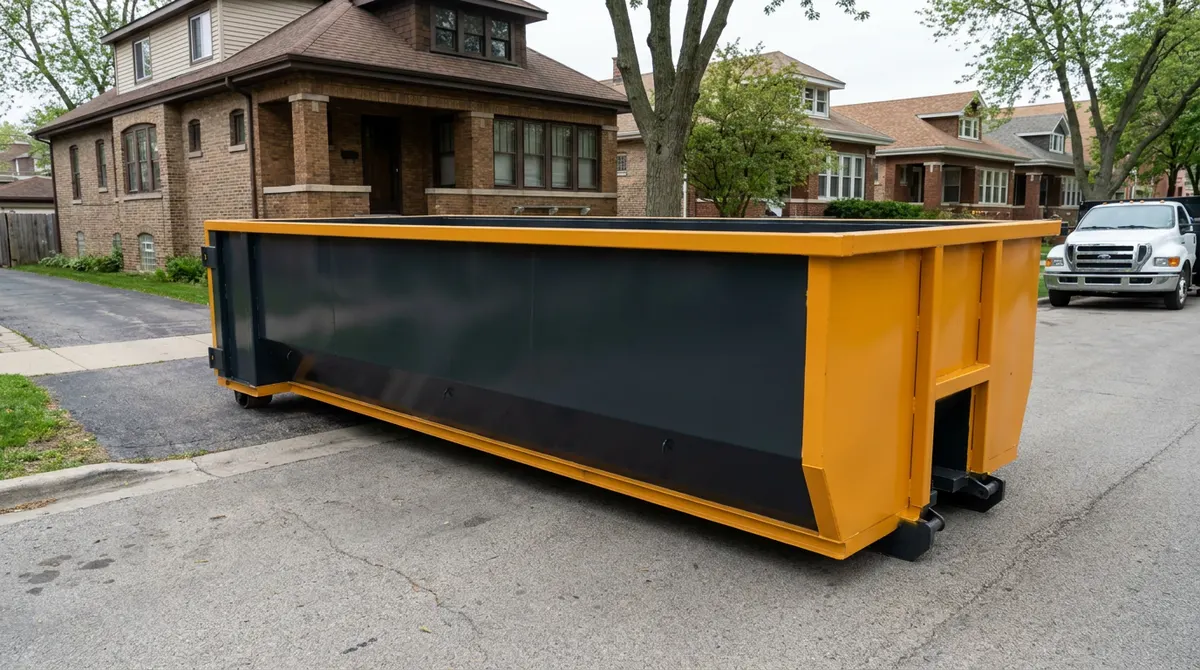
Dumpster sizes in Chicago range from compact 10-yard containers suitable for small cleanouts to large 40-yard roll-offs designed for major construction and demolition projects, with specific dimensions and weight capacities influencing their utility across the city's diverse property types and project needs.
Comparing All Dumpster Sizes for Chicago Projects
<p>Dumpster sizes are measured in cubic yards, indicating the total volume of debris they can hold. In Chicago, available sizes typically include 10-yard, 15-yard, 20-yard, 30-yard, and 40-yard options, each suited for different project scales and material types. The choice of size often depends on the volume of waste, the type of debris, and the available space for placement in neighborhoods like Wicker Park or Beverly. Rental prices generally start at a minimum charge of $595, covering a specific weight limit and rental period.</p><table><thead><tr><th>Dumpster Size</th><th>Approximate Capacity (Pickup Truck Loads)</th><th>Best For (Chicago Projects)</th></tr></thead><tbody><tr><td>10-Yard Dumpster</td><td>4 pickup truck loads</td><td>Small bathroom remodels, garage cleanouts, tight city spaces (e.g., two-flats in Pilsen)</td></tr><tr><td>15-Yard Dumpster</td><td>6 pickup truck loads</td><td>Medium kitchen remodels, roof tear-offs (1,500 sq ft), basement cleanouts</td></tr><tr><td>20-Yard Dumpster</td><td>8 pickup truck loads</td><td>Larger home renovations, deck removals, multiple room cleanouts in homes near Humboldt Park</td></tr><tr><td>30-Yard Dumpster</td><td>12 pickup truck loads</td><td>Major home additions, new construction, commercial cleanouts</td></tr><tr><td>40-Yard Dumpster</td><td>16 pickup truck loads</td><td>Large-scale demolition, commercial building cleanouts, significant storm debris removal</td></tr></tbody></table>
Dimensions and Capacity by Size
<p>Understanding the physical dimensions and weight capacity of each dumpster size is crucial for proper placement and avoiding overage fees, especially with Chicago's specific conditions like narrow gangways in Logan Square. Each container has a maximum fill line and a weight limit, which can be particularly relevant for dense materials like concrete or brick from older Chicago homes.</p><ul><li><strong>10-Yard Dumpster:</strong> Approximately 12 feet long, 8 feet wide, and 3.5 feet high. This size holds about 2-3 tons of waste. It is often chosen for projects in densely populated areas like Lincoln Park where street space is limited or alley access is tight.</li><li><strong>15-Yard Dumpster:</strong> Approximately 14 feet long, 8 feet wide, and 4.5 feet high. This dumpster can accommodate around 3-4 tons of material. It serves well for medium-sized renovations in neighborhoods such as Avondale, fitting into driveways without excessive length.</li><li><strong>20-Yard Dumpster:</strong> Approximately 22 feet long, 8 feet wide, and 4 feet high. It typically handles 4-6 tons of debris. This is a common choice for larger residential cleanouts or light commercial projects across Chicago, from Rogers Park to Hyde Park.</li><li><strong>30-Yard Dumpster:</strong> Approximately 22 feet long, 8 feet wide, and 6 feet high. This container can hold 6-8 tons of waste. It's frequently used for significant construction debris, such as from remodels near The 606 Trail, where larger volumes are generated.</li><li><strong>40-Yard Dumpster:</strong> Approximately 22 feet long, 8 feet wide, and 8 feet high. Designed for the largest projects, it can manage 8-10 tons of material. This size is typically reserved for major demolition or new commercial construction, often requiring ample space for delivery and placement.</li></ul>
Matching Dumpster Size to Your Project in Chicago
<p>Selecting the correct dumpster size prevents both overfilling and paying for unused capacity. Projects in Chicago vary widely, from small residential cleanouts to major commercial developments, each requiring a specific approach to waste management. Consider the type of debris, the total volume, and any local restrictions on placement, particularly in areas with high traffic or limited parking like those around Wrigley Field or Navy Pier.</p><table><thead><tr><th>Project Type</th><th>Recommended Dumpster Size</th><th>Specific Chicago Consideration</th></tr></thead><tbody><tr><td>Garage or Attic Cleanout</td><td>10-Yard or 15-Yard</td><td>Ideal for disposing of household junk, old furniture, or yard waste from a typical Chicago two-flat.</td></tr><tr><td>Small Bathroom Remodel</td><td>10-Yard</td><td>Manages tile, drywall, and fixtures. Fits well in limited driveway space in areas like Bridgeport.</td></tr><tr><td>Kitchen Remodel (Medium)</td><td>15-Yard or 20-Yard</td><td>Accommodates cabinets, countertops, and appliances. Consider this size for projects in Pilsen where older homes might generate heavier debris like plaster and brick.</td></tr><tr><td>Roof Replacement (1,500-3,000 sq ft)</td><td>20-Yard</td><td>Suitable for asphalt shingles and underlayment. <a href="https://www.epa.gov/smm/construction-and-demolition-materials-management">EPA guidelines</a> encourage proper disposal of roofing materials.</td></tr><tr><td>Deck or Patio Removal</td><td>20-Yard</td><td>Handles wood, concrete, or pavers. Consider the weight of concrete elements carefully.</td></tr><tr><td>Whole Home Cleanout / Estate Sale Prep</td><td>20-Yard or 30-Yard</td><td>For clearing out multiple rooms or an entire property. Useful for homes near Garfield Park Conservatory undergoing significant decluttering.</td></tr><tr><td>Major Home Addition / New Construction</td><td>30-Yard or 40-Yard</td><td>For large volumes of construction debris, lumber, and drywall. Essential for projects on larger lots or commercial sites along major corridors like Western Avenue.</td></tr><tr><td>Commercial Demolition</td><td>40-Yard</td><td>Handles heavy, bulky materials from large-scale tear-downs. <a href="https://www.osha.gov/demolition">OSHA standards</a> apply to demolition sites, emphasizing safety and proper waste removal.</td></tr></tbody></table>
When to Size Up or Down Your Dumpster
<p>The decision to adjust dumpster size during a project can significantly impact efficiency and cost. It is generally more cost-effective to rent one larger dumpster than two smaller ones if the project scope expands. However, logistical constraints in Chicago, such as narrow city streets or tight parking on North Side blocks like Lakeview and Lincoln Park, may necessitate a smaller footprint. For example, if a garage cleanout in Rogers Park unexpectedly turns into a full demolition of an old shed, upgrading from a 10-yard to a 15-yard or 20-yard dumpster would be advisable. Conversely, if a major renovation is scaled back, a smaller unit can save costs. Always consider the potential for heavy materials; older homes in neighborhoods like Pilsen or Bridgeport can contain substantial amounts of plaster and brick, which quickly add weight and might require a larger size or a specialized heavy-debris container even if the volume seems small. Winter freeze-thaw cycles can also affect ground stability for heavier containers, influencing placement decisions. </p><p>Permit requirements are also a factor; many blocks in Chicago require a <a href="https://www.chicago.gov/city/en/depts/bldgs/supp_info/public_way_use_permits.html">City of Chicago public way use permit</a> when placing a dumpster on the street rather than a private driveway. This process can take time, so planning ahead for the correct size is crucial. A smaller dumpster might be easier to permit or fit on private property, avoiding the need for a permit entirely. Always aim for a size that provides a small buffer for unexpected items or project creep.</p>
Common Sizing Mistakes and How to Avoid Them
<p>Misjudging dumpster size is a common issue that can lead to additional costs or project delays. Avoiding these mistakes involves careful planning and understanding the specific demands of a project in Chicago.</p><ul><li><strong>Underestimating Debris Volume:</strong> Many people visualize compacted waste but forget about the irregular shapes and empty spaces of demolition debris. For example, a pile of broken drywall takes up more space than a stack of new sheets. Always round up your volume estimate.</li><li><strong>Ignoring Weight Limits:</strong> Dense materials like concrete, asphalt, dirt, or brick (common in older Chicago homes near the Museum of Science and Industry) can quickly exceed weight limits even if the dumpster isn't visually full. This results in overweight charges. Always ask about tonnage limits for your chosen size and confirm if your debris is considered 'heavy waste.'</li><li><strong>Not Accounting for Bulky Items:</strong> Large, awkward items like old bathtubs, furniture, or tree limbs can take up significant space. A 10-yard dumpster might seem sufficient for a small cleanout, but a single large sofa could fill half of it.</li><li><strong>Failing to Plan for Street Placement:</strong> In dense Chicago neighborhoods like Logan Square or Lakeview, securing a City of Chicago public way use permit for street placement takes time and often favors smaller, less obstructive dumpsters. Miscalculation can lead to delays if a larger dumpster is ordered but cannot be legally or practically placed.</li><li><strong>Choosing the Cheapest Option Without Considering Needs:</strong> Opting for the smallest, cheapest dumpster might seem appealing, but if it requires multiple hauls, the overall cost can be higher than renting one appropriately sized unit from the start. A flat rate of $595 minimum applies, so making sure one haul is sufficient is key.</li></ul>
Need it handled now? See Dumpster Rental in Chicago.