 Pro Haul Dumpster Rental
Dumpster Permit Chicago
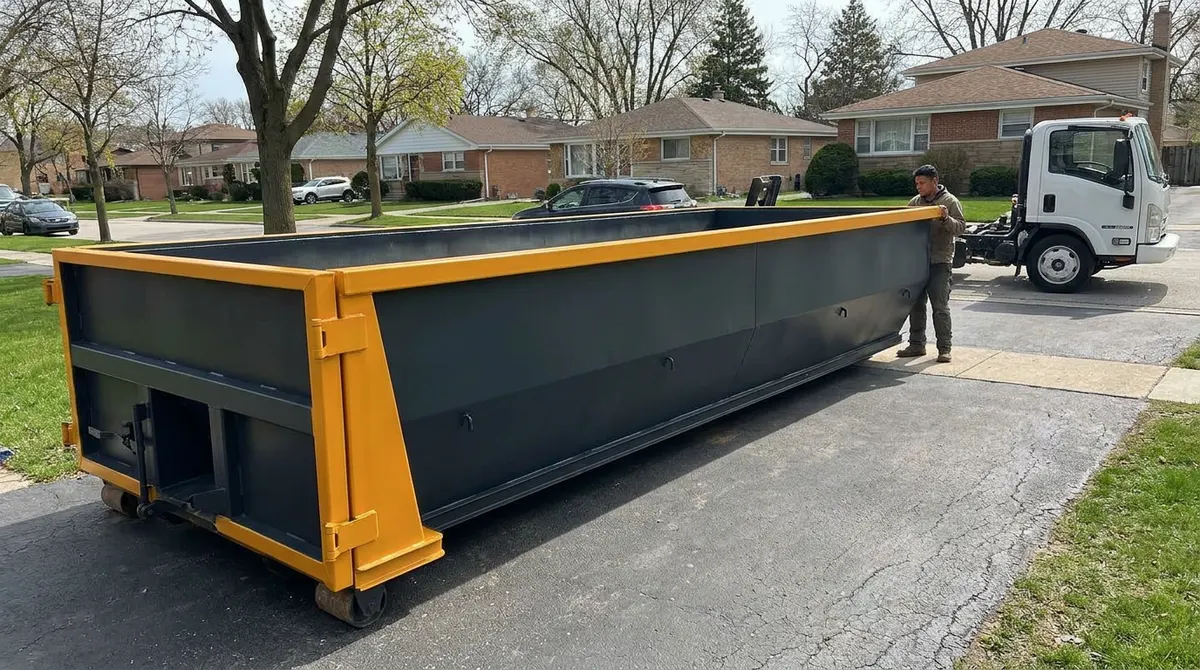
A dumpster permit in Chicago is a mandatory authorization from the City of Chicago, specifically the Chicago Department of Transportation (CDOT), required for placing a roll-off dumpster on any public way, such as a street or alley. This permit ensures public safety, manages traffic flow, and regulates the use of municipal right-of-way, preventing obstructions in neighborhoods from Logan Square to Beverly. The process involves specific application steps and adherence to city guidelines to avoid fines and ensure proper waste management during construction, renovation, or cleanout projects.
When a Permit Is Required for a Dumpster in Chicago
<p>A public way use permit is required when a dumpster needs to be placed on any city-owned property, which includes streets, alleys, and sidewalks within Chicago. This requirement applies uniformly across all Chicago neighborhoods, from the dense residential blocks of Pilsen to the commercial corridors of Lakeview. The primary trigger for needing a permit is the use of the public right-of-way, meaning any area beyond a private property line. For instance, if a homeowner in Wicker Park is undertaking a kitchen remodel and intends to place a 15-yard dumpster on the street in front of their home, a permit is necessary. Neglecting to secure the appropriate <a href="https://www.chicago.gov/city/en/depts/cdot/supp_info/permits.html" target="_blank">CDOT public way use permit</a> can result in significant fines and the immediate removal of the dumpster by city authorities.</p><p>Permits are not required for dumpsters placed entirely on private property, such as a driveway or a private lot. However, Chicago's dense housing stock, particularly two-flats and three-flats in areas like Avondale and Bridgeport, often means limited private driveway space. In these scenarios, street placement becomes the only viable option for many residents. The permit process addresses concerns related to traffic flow, pedestrian safety, and parking availability, especially on North Side blocks like those near Wrigley Field or The 606 Trail, where parking is already tight. Projects involving heavy demolition debris from older homes, common in neighborhoods like Hyde Park and Rogers Park, frequently require larger dumpsters that might necessitate street placement, thereby triggering the permit requirement.</p>
Street vs Private-Property Placement Considerations
<p>Choosing between street placement and private-property placement for a dumpster in Chicago involves several practical and regulatory factors. Private property placement, typically on a driveway, eliminates the need for a city permit, simplifying logistics and avoiding associated fees. This option is generally preferred when feasible, as it offers direct access and avoids potential parking conflicts with neighbors. However, many Chicago properties, particularly older homes in neighborhoods such as Logan Square or Beverly, have narrow driveways or limited space that cannot accommodate a standard roll-off dumpster. A 10-yard or 15-yard dumpster often fits better in these tighter spaces compared to larger units, but even these may be too wide for some gangways.</p><p>Street placement, while requiring a <a href="https://www.chicago.gov/city/en/depts/cdot/provdrs/permits/svcs/acquire_a_publicwayusepermit.html" target="_blank">public way use permit from CDOT</a>, provides flexibility for projects on properties without adequate private space. This is common for extensive renovations or cleanouts in densely populated areas like Lincoln Park or near the Museum of Science and Industry. When a dumpster is placed on the street, it occupies a portion of the public right-of-way, necessitating adherence to city regulations regarding visibility, safety cones, and sometimes even reflective tape, as outlined by the <a href="https://idot.illinois.gov/doing-business/permits/index" target="_blank">Illinois Department of Transportation</a>. Winter freeze-thaw cycles and snow-clearing rules can also impact street placement, requiring coordination with potential street sweeping schedules or snow routes along major roads like Western Avenue or Ashland Avenue. The decision often balances the convenience of street access against the added cost and time involved in obtaining the necessary permit and coordinating with city services.</p>
How to Apply for a Public Way Permit for a Dumpster in Chicago
<ol><li>The application process for a public way use permit in Chicago begins with determining if the dumpster will occupy any portion of the public right-of-way. If so, contact a dumpster rental service like ours at (872) 353-7995 to confirm the dumpster dimensions and weight, as these details are needed for the permit application.</li><li>Next, gather necessary documentation, which typically includes the exact address for placement, the duration of the rental, and a site plan or sketch showing the dumpster's proposed location relative to the street and adjacent properties.</li><li>Submit the application through the <a href="https://webapps1.chicago.gov/eportal/" target="_blank">City of Chicago's online ePermit system</a>, managed by the Chicago Department of Transportation (CDOT). This portal requires creating an account and accurately filling out all fields related to the public way use.</li><li>Once the application is submitted, it undergoes review by CDOT to ensure compliance with city ordinances, including considerations for traffic, pedestrian access, and proximity to fire hydrants or crosswalks.</li><li>Upon approval, the permit is issued, often requiring the display of the permit number on the dumpster itself or at the job site. This process helps prevent misunderstandings and ensures the project adheres to Chicago's municipal code for public safety and order.</li></ol>
Permit Costs and Timelines for Dumpster Placement
<table><thead><tr><th>Category</th><th>Details</th></tr></thead><tbody><tr><td><strong>Permit Application Fee</strong></td><td>Varies based on duration and size; typically ranges from approximately $25 to $100 for standard residential dumpster placements.</td></tr><tr><td><strong>Daily/Weekly Fees</strong></td><td>Additional fees may apply, calculated per linear foot of public way occupied per day. These fees can range from $10 to $30 per day for a typical 10-yard dumpster.</td></tr><tr><td><strong>Expedited Processing</strong></td><td>Not always available; if offered, it incurs an additional charge to speed up the review period.</td></tr><tr><td><strong>Timeline for Approval</strong></td><td>Standard processing can take 3 to 10 business days. Planning ahead is crucial, especially for projects in busy areas like near Navy Pier or Millennium Park.</td></tr><tr><td><strong>Parking Meter Hooding</strong></td><td>If the dumpster occupies metered parking spaces, additional fees for meter hooding are required, often around $25 per meter per day, plus a service fee.</td></tr><tr><td><strong>Security Deposit</strong></td><td>In some cases, a refundable security deposit may be required to ensure compliance with permit conditions and cover potential damage to public infrastructure.</td></tr></tbody></table><p>The total cost for a dumpster permit in Chicago depends on several factors, including the length of time the dumpster will be on the public way and whether it occupies metered parking spaces. For example, placing a dumpster on a residential street in Humboldt Park for a week might incur a base permit fee plus daily linear foot charges. If the placement is on a commercial street like Milwaukee Avenue in Logan Square, and it takes up two metered parking spots, the costs for meter hooding would also apply. These fees are separate from the actual dumpster rental cost, which starts at a minimum charge of $595. It is important to factor these permit-related expenses into the overall project budget to avoid unexpected costs. The City of Chicago typically processes permit applications within a week, but during peak construction seasons or around major holidays, this timeline can extend, making early application advisable.</p>
Who Handles the Dumpster Permit Process in Chicago?
<p>While a dumpster rental company can often guide customers through the permit process, the ultimate responsibility for securing a public way use permit in Chicago typically falls to the homeowner, contractor, or property manager renting the dumpster. This is because the permit is tied to the use of the public right-of-way at a specific address for a defined period, and the applicant must attest to understanding and complying with city regulations. Dumpster rental providers, such as those serving the 60614 or 60622 ZIP codes, are well-versed in the requirements and can provide the necessary dumpster dimensions and placement details required for the application. They can also advise on potential challenges, such as tight parking on North Side blocks or specific restrictions near major roads like Lake Shore Drive.</p><p>Some rental companies may offer assistance with the application process as an additional service, but it is not universally included in the standard rental fee. It is crucial for the customer to confirm who is responsible for filing the permit application and ensuring its approval before the dumpster delivery date. This clarity helps prevent delays, fines, and the need for rescheduling, especially for projects with tight deadlines. Understanding the roles ensures that all parties are compliant with <a href="https://www.epa.gov/hw/household-hazardous-waste-hhw" target="_blank">local waste management regulations</a> and city ordinances, ensuring a smooth project execution.</p>
Quick questions
Who is responsible for getting the dumpster permit in Chicago?
The homeowner, contractor, or property manager renting the dumpster is typically responsible for obtaining the public way use permit from the City of Chicago. Dumpster rental companies provide necessary dumpster specifications for the application.
How much does a dumpster permit cost in Chicago?
Permit costs vary, generally including a base application fee ($25-$100) and potential daily fees for occupying the public way ($10-$30 per day). Additional costs apply for meter hooding if the dumpster occupies metered parking spaces.
How long does it take to get a dumpster permit in Chicago?
Standard processing for a dumpster permit in Chicago typically takes 3 to 10 business days. It is advisable to apply well in advance of the planned dumpster delivery date to avoid project delays.
Need it handled now? See Dumpster Rental in Chicago.